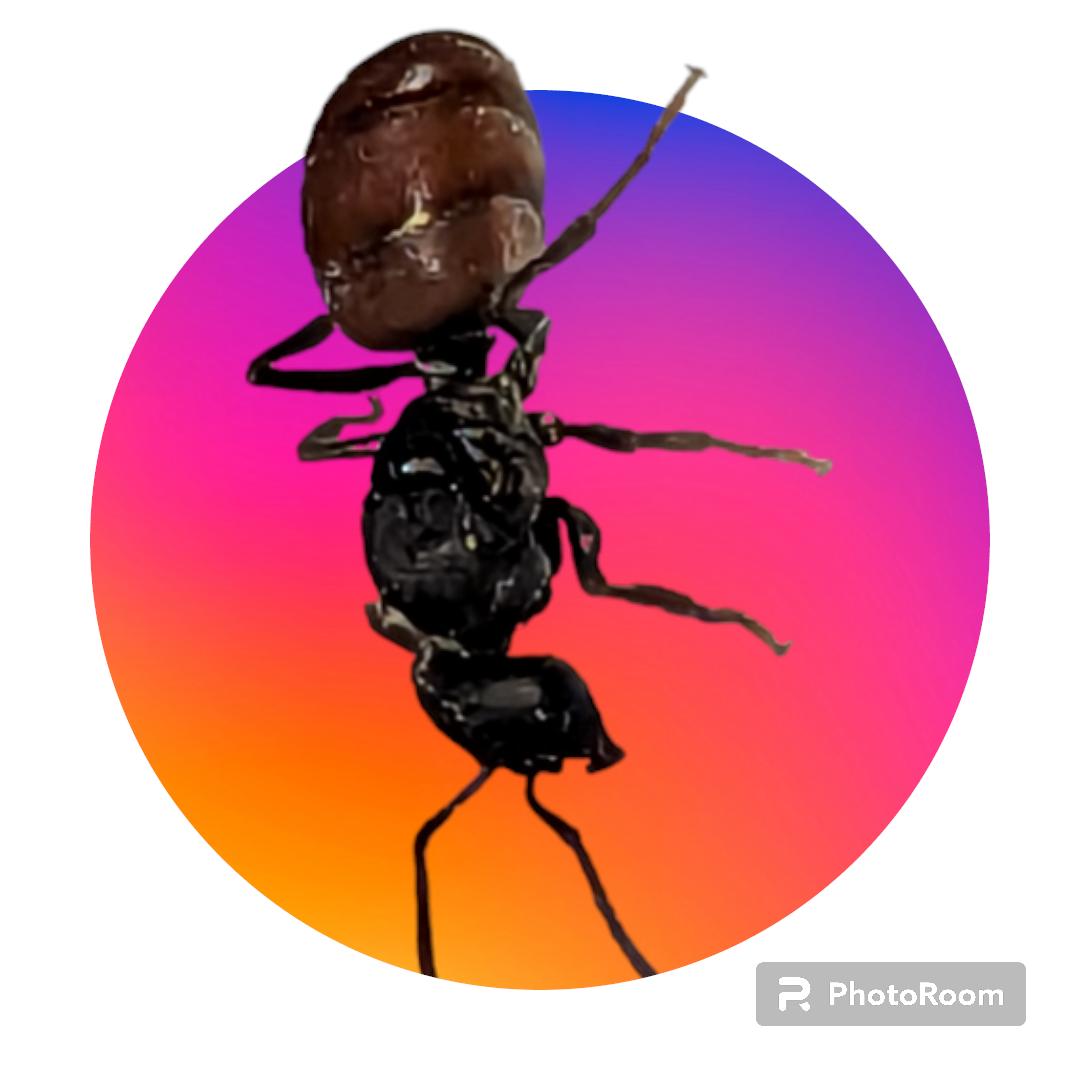
Canberra is a great place to be an ant nerd. Walk the lakeshore, a nature reserve or your own back garden and you’ll cross paths with sugar ants, meat ants, bull ants, spiny Polyrhachis and green-head ants without trying very hard. Some make good pets, some are better watched from a respectful distance, and a couple can put you in hospital. Here’s a field guide to the ones you’re most likely to meet in the ACT and nearby, with straight answers on which ones suit beginners.
Quick guide
| Ant | Beginner pet? | In a sentence |
|---|---|---|
| Banded sugar ant | Yes | Big, hardy, native and easy to feed |
| Meat ant | No | Huge, aggressive colonies; intermediate at best |
| Bull ants and jack jumpers | No | Painful stings, and serious for allergic people |
| Green-head ant | No | Fascinating to watch, but a poor fit for a first colony |
| Polyrhachis (spiny ants) | Not first-timers | Handsome, with specialised needs |
Sugar ants (Camponotus): the beginner’s pick
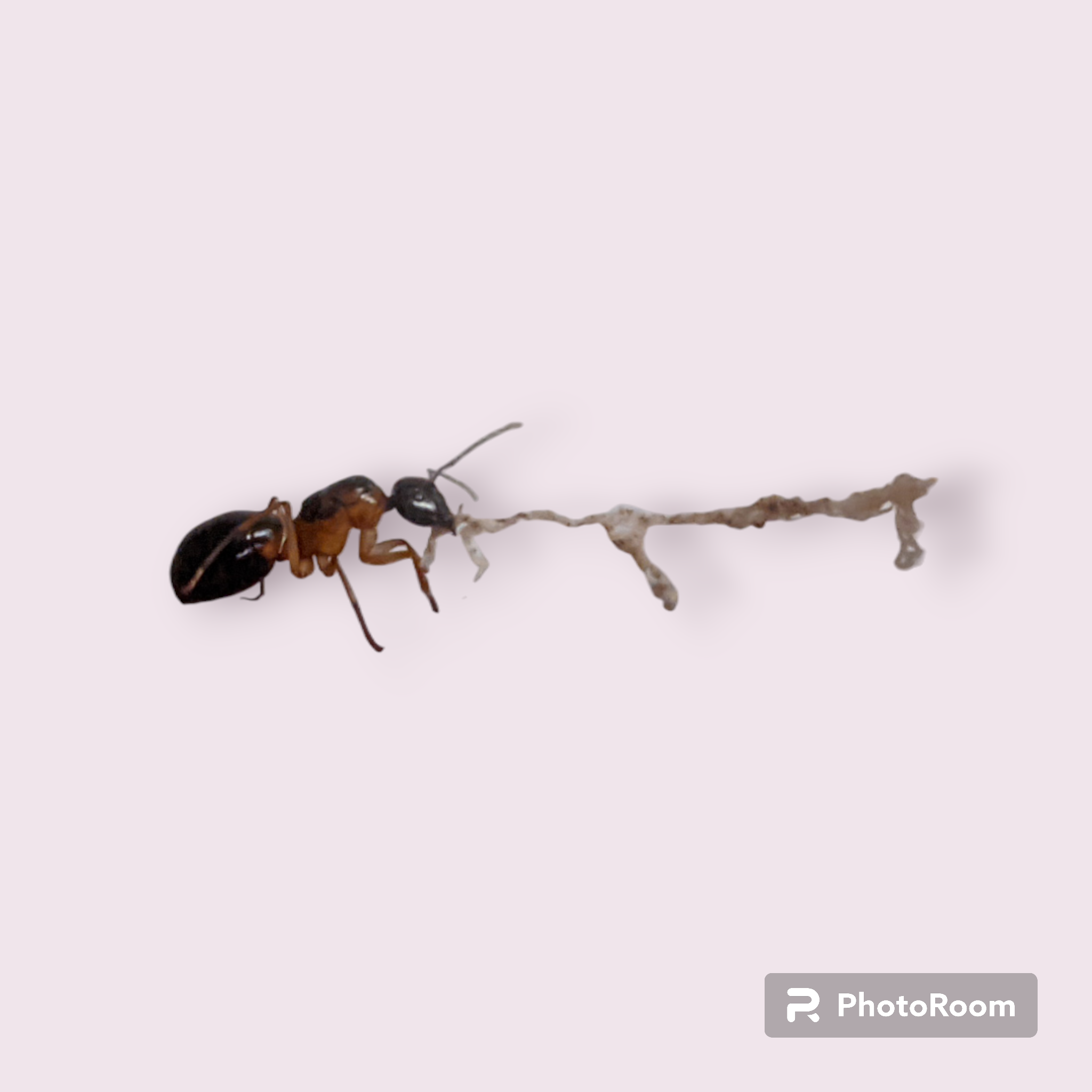
The banded sugar ant (Camponotus consobrinus) is the one I’d start with. The Australian Museum describes sugar ants as relatively large, with a black head and abdomen and an orange-brown middle, living in urban areas, forests, woodlands and heath and happy with sweet foods. They can’t sting, though they’ll bite and spray formic acid if provoked (species summary), and Canberra nests send out winged queens from roughly December to March around sunset (Narendra et al. 2016). The golden-tailed sugar ant (Camponotus aeneopilosus) is also recorded in the region on Canberra Nature Map, so check the gaster band before you decide which one you have.
Keep or watch? Keep. My care guide and guide to finding a queen walk you through it.
Meat ants (Iridomyrmex purpureus): impressive, not for beginners
You’ll spot meat ant nests as low, gravel-covered mounds in sunny, open ground. According to the Australian Museum, a single nest can hold around 64,000 ants and linked nests can form “super-nests” stretching up to 650 metres. Meat ants don’t sting, but they bite repeatedly and defend their nests aggressively. A Western Australian government fact sheet notes they’re very territorial and will bite people, pets and livestock.
My old page listed meat ants as a beginner species, and I’m correcting that. One Swiss ant shop’s care sheet rates them Intermediate, and with colonies that big, fast and bitey, I’d agree.
Keep or watch? Watch, at least until you have a couple of years of experience.
Bull ants and jack jumpers (Myrmecia): look, don’t touch
Bull ants are among Australia’s biggest ants, up to 40 mm long, with a painful sting. The Australian Museum says they grip you with their jaws, curl the abdomen and inject venom, often more than once, and will chase intruders a fair way from the nest (bull ants). Their smaller relatives, the jumper ants, jump toward intruders.
The jack jumper ant is the one to take seriously. The Australasian Society of Clinical Immunology and Allergy (ASCIA) describes it as an ant of roughly 10 to 15 mm with a black body and orange-brown jaws and legs. It is found in the ACT, Tasmania, Victoria, NSW and parts of other states (ASCIA information). ASCIA reports that in areas where jack jumpers are common, between 2 and 3 per cent of people have had generalised allergic reactions to stings, and deaths have occurred. Healthdirect also notes that bull ant stings sometimes cause anaphylaxis.
Sting safety: wear closed shoes outdoors, don’t poke nests, and keep kids and pets back. If you know you’re allergic to ant stings, talk to your doctor about an action plan. If anyone has a severe reaction after a sting, call 000 immediately.
Keep or watch? Watch from a distance. I wouldn’t recommend them as pets at all, and certainly not to anyone who is allergic.
Green-head ants (Rhytidoponera metallica): the shiny commuters
These small (5 to 7 mm), metallic green-blue ants are common in towns and suburbs, Canberra included. The Australian Museum says they can sting, nest in soil and under wood at the base of shrubs, and hunt and scavenge quickly during the day. Researchers have studied their unusual breeding system, in which mated workers share the egg laying instead of one queen (Chapuisat and Crozier 2001). That makes them a poor fit for the “catch a queen after a flight” route to a first colony.
Keep or watch? Watch. They’re a lovely lesson in how varied ant society can be.
Polyrhachis (spiny ants): handsome and picky
Polyrhachis are easy to recognise by the spines on their thorax. Canberra Nature Map has records of several species around the city, including Polyrhachis ornata, Polyrhachis femorata and Polyrhachis phryne. The Australian Museum’s page on the golden-spined ant (Polyrhachis ammon) describes an 8 to 11 mm ant with golden hairs that forages alone and collects nectar and pollen from eucalypts and acacias. More in my Polyrhachis article.
Keep or watch? Not as a first colony. Different Polyrhachis species have different nesting habits, and I haven’t found reliable husbandry data for most Australian species.
How to tell what you’ve found
Take a clear photo from above and from the side, and note where it was nesting. Post it to Canberra Nature Map or iNaturalist, where local volunteers are very good at identification. And remember that rules about collecting vary. Check the guide to ant keeping and the law, and never collect in a reserve or national park.
Ready to try keeping some? Banded sugar ant queens and colonies are in the shop, shipped within Australia.
Frequently asked questions
Which Canberra ant is best for beginners?
The banded sugar ant. It’s big, native, hardy and doesn’t sting.
Are meat ants dangerous?
They don’t sting, but they bite repeatedly and defend their nests aggressively. They’re best watched.
Which Canberra ants sting?
Bull ants, jack jumpers and green-head ants can sting, according to the Australian Museum and ASCIA. If someone has a severe reaction, call 000.
Can I keep Polyrhachis?
Yes, but they’re better for experienced keepers, and I’d research the particular species first.
Can I keep bull ants or jack jumpers?
I’d advise against it. Their stings can be serious, and there’s no good reason to take the risk.
