If you’re picking your first ant home, here’s the short version: start with a test tube, move to a small nest when the colony outgrows it, and always pair the nest with an escape-proof outworld. Plaster, Ytong and acrylic nests all work well. Naturalistic soil setups look lovely but are harder to keep going, and gel “ant farms” are best treated as toys. Below are the honest pros and cons of each, plus how my two nests fit in.
First, the basics: nest, outworld, barrier
A formicarium is any home built for ants. Most good setups have two parts: a nest, which is dark and damp and where the queen and brood live, and an outworld, an open area where workers forage and where you feed them. Because ants test every gap, the outworld needs an escape barrier. The Formicarium article on Wikipedia describes the usual methods: slippery coatings such as liquid PTFE or fluon-type paint, a thin film of oil or petroleum jelly, or a moat of water. Many keepers combine two of these with a tight lid.
Test tubes
A test tube with a water reservoir behind a cotton plug is the standard home for a founding queen. According to Furry Critter’s overview of formicarium types, tubes are cheap, need no building, and keep humidity steady, but colonies outgrow them at roughly 30 to 50 workers. I’d move a bit earlier if things look crowded. See my test tube setup guide.
Plaster and Ytong nests
Plaster and Ytong (autoclaved aerated concrete) nests absorb water and spread it evenly, which suits moisture-loving species. The same overview says you can design the layout and that plaster has smooth surfaces that are easy to clean. The downsides: they need skill to make, stain from waste, and can’t be expanded like modular units. A nest that stays constantly wet can also grow mould.
Acrylic nests
Acrylic nests have clear walls, so you can watch everything, and they come in many sizes. Wikipedia notes acrylic and 3D-printed designs are the most common commercial type today and avoid the tunnel collapses of old-style sand farms. Moisture usually comes from water towers or channels, so you manage hydration from outside, and mould can build up in unused chambers.
Naturalistic setups and gel farms
Soil or sand setups let ants dig their own tunnels, which is wonderful to see. But tunnels collapse, visibility is poor, and sand holds little humidity. Wikipedia says gel farms don’t house or feed ants adequately over the long term and can be harmful to them, and Furry Critter suggests treating gel and sand nests as short-term displays. I’d skip gel altogether.
Quick comparison
| Type | Best for | Watch out for |
|---|---|---|
| Test tube | Founding queens and young colonies | Outgrown quickly, so plan the next step |
| Plaster / Ytong | Moisture-loving species, even humidity | Mould if kept too wet, staining, can’t expand |
| Acrylic | Watching the colony, easy cleaning | Hydration managed externally, mould in unused chambers |
| Soil / sand | Seeing natural digging | Collapsing tunnels, poor visibility, dry sand |
| Gel | Short-term display only | Not suitable as long-term housing |
My two nests
I stock two compact nests in the shop, and I’d like to be upfront about what they are.
- Rectangular acrylic plaster nest: a clear acrylic box filled with plaster-style nest material, about 10.7 × 7.6 × 12.5 cm, with a water inlet to keep it humid. It comes in yellow, red, white or brown, and at the time of writing the options range from $6.98 to $27.13.
- Mini plaster nest: a similar clear acrylic box with plaster inside, about 10 × 6.5 × 7.5 cm, also with a water inlet, at $27.25 at the time of writing.
Both are small, so think of them as a first nest for a young colony, not a forever home. I’d plan the next size up before you need it. The listings don’t describe a lid or escape barrier, so connect either one to a proper outworld with its own tight lid and barrier. The water inlet is for adding moisture: add a little at a time and keep one end of the nest drier so the ants can choose.
Which is best for banded sugar ants?
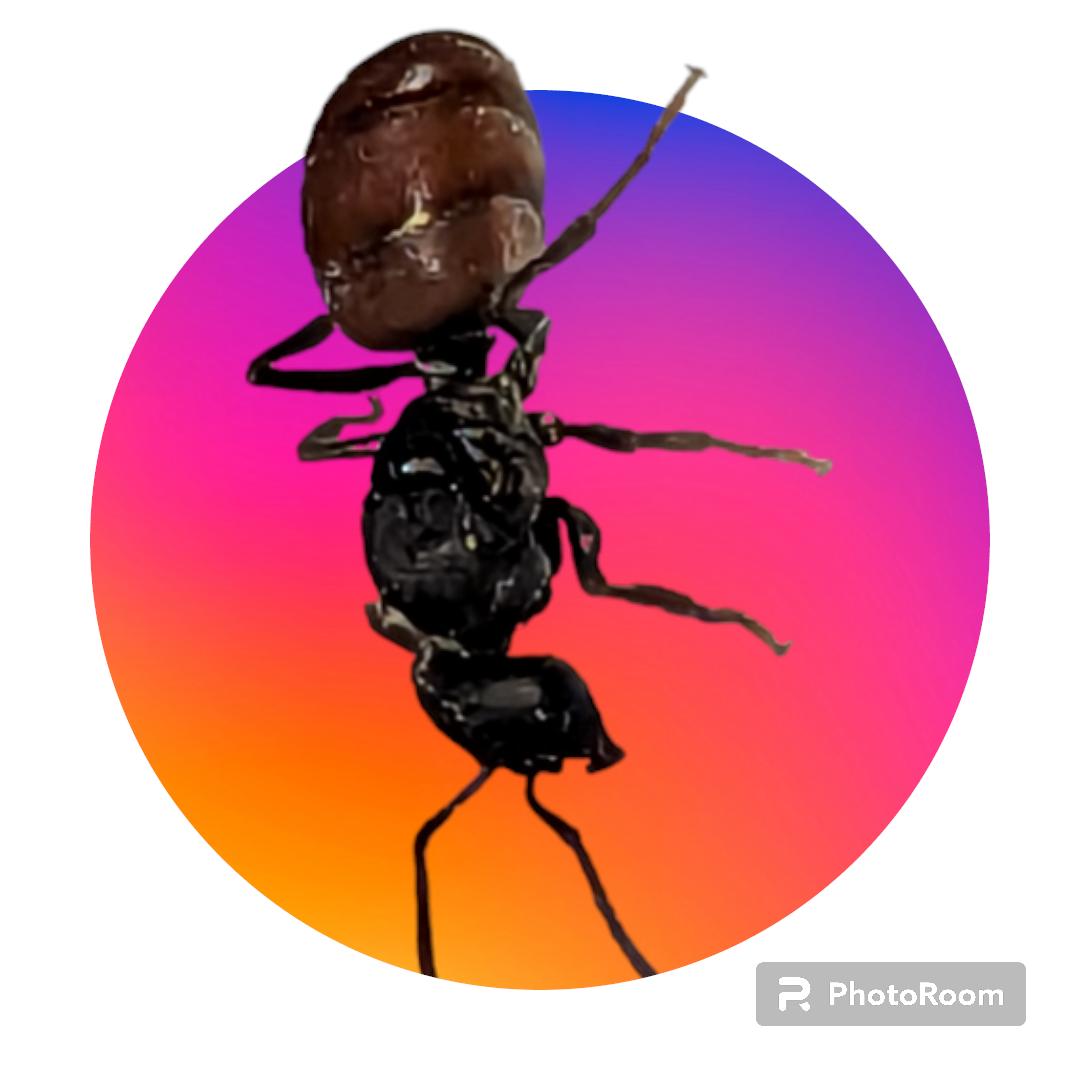
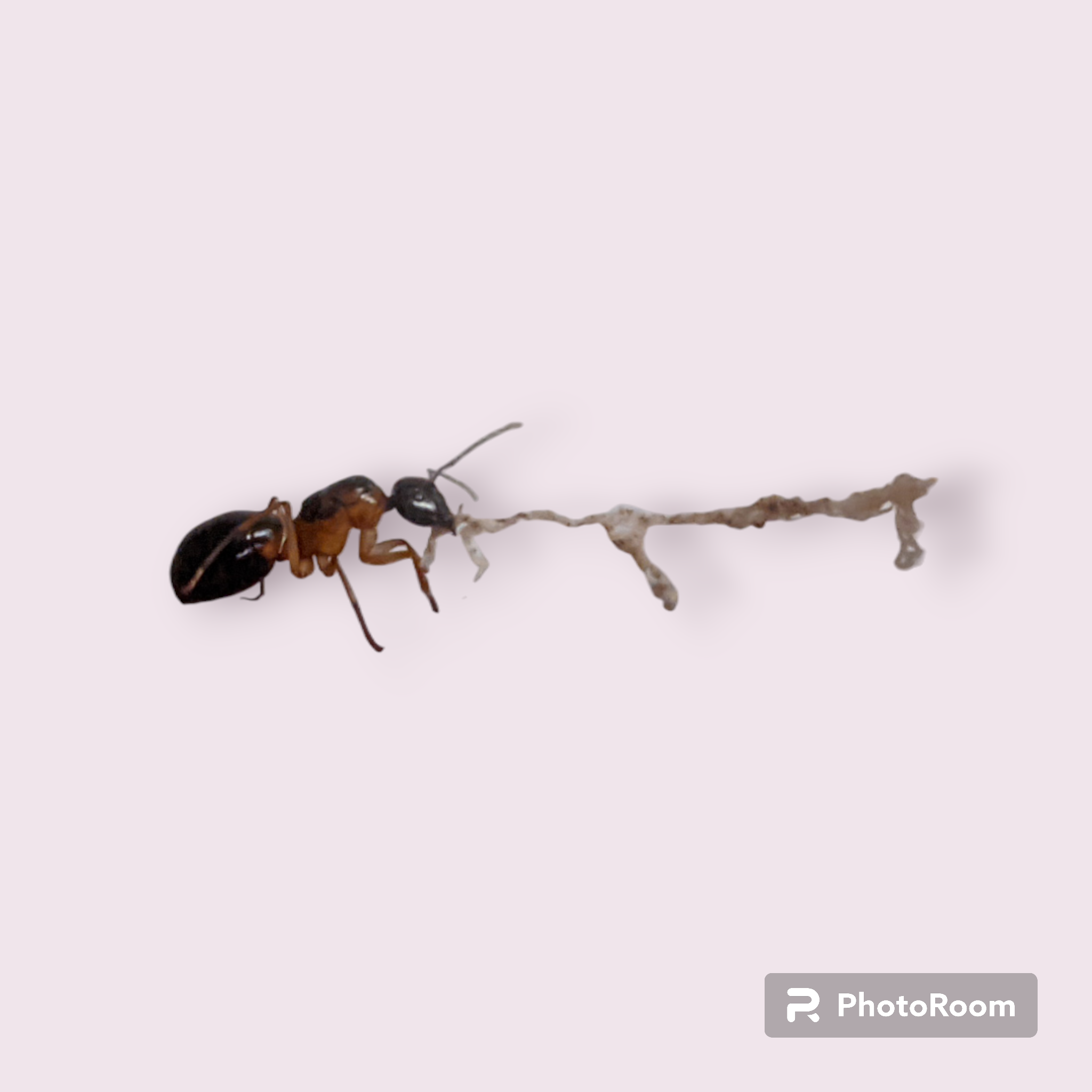
Banded sugar ants are big, strong and quick, and they like a dark, damp nest with a drier foraging area. A sensible path: test tube, then a small plaster or acrylic nest once you have around 15 to 20 workers or the tube looks crowded, then a larger setup as the colony grows. My care guide covers humidity and timing. Avoid dropping a tiny colony into a huge nest. Furry Critter’s advice is to start small and expand.
A simple checklist
- A nest that matches the colony size, with a way to add moisture.
- An outworld with a tight lid and a tested escape barrier.
- A dark cover for the nest, because ants prefer darkness.
- Somewhere stable, away from direct sun.
- A weekly check of lids, barriers and water.
Frequently asked questions
What is the best formicarium for a beginner?
A test tube for a founding queen, then a small plaster or acrylic nest with a secure outworld. Start small and expand as the colony grows.
Do I need an outworld?
Yes, for any colony with workers. It gives them a place to forage and you a clean place to feed them.
Can I build my own formicarium?
Yes, and it can be rewarding, but AntKeepers’ buyer’s guide stresses that a homemade nest must be fully escape-proof. Buying a ready-made nest means the design should already suit ants.
Are gel ant farms any good?
Not for long-term housing, according to Wikipedia and Furry Critter. Treat them as a short-term novelty at best.
How big should the nest be?
Big enough for the colony to grow into, but not huge. A small colony in a large nest struggles to keep it comfortable.
