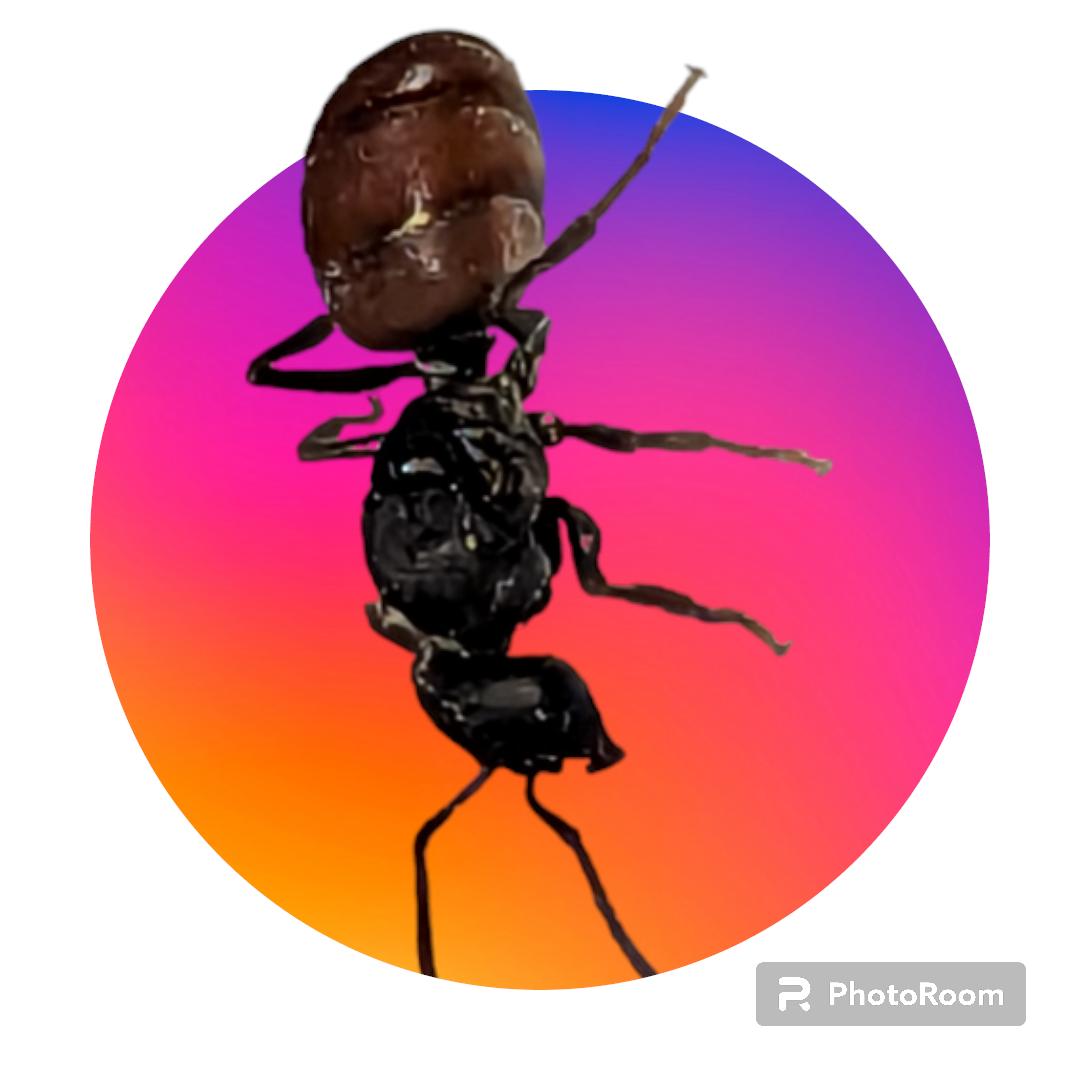
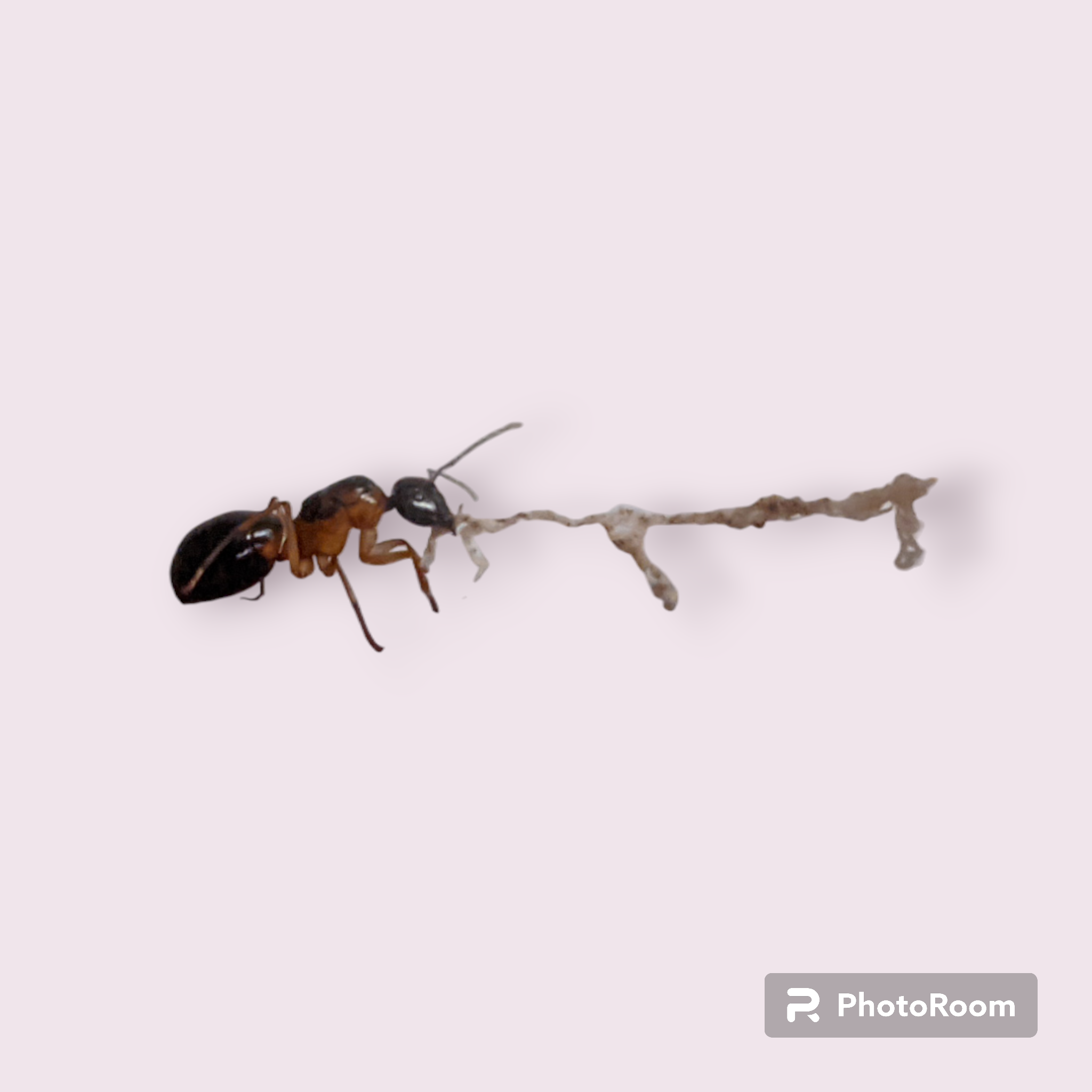
A test tube is the standard home for a founding ant queen, and you can build one in about ten minutes with things from a chemist or craft shop. The idea is simple: a sealed-off water reservoir behind a cotton plug, a dry-ish chamber for the queen, and darkness and quiet so she settles. Here’s how to do it step by step, and how to avoid the mistakes that cost the most queens.
What you need
- A clean test tube. A common hobby size is around 16 mm wide and 150 mm long, which is comfortable for a big queen such as a banded sugar ant. Glass or plastic both work.
- Plain cotton wool. Use real cotton, not synthetic fluff, and keep it clean.
- Clean water.
- A dark box, drawer or cloth cover, plus a pen and label.
Step by step
This follows the method described in AntKeepers’ guide to housing a new queen:
- Fill about a third of the tube with water.
- Push a ball of cotton down onto the water. It forms a damp barrier, and the queen can drink from it without any risk of drowning.
- Check the cotton is damp but not dripping. The water end stays wet, and the rest of the tube stays drier.
- Let the queen walk in on the dry side. Use a soft brush to nudge her if needed. Never pick her up by squeezing.
- Plug the open end with a second ball of cotton. It should be firm enough that she can’t push out, and loose enough that air gets through.
- Lay the tube on its side, so the water stays in the reservoir and the queen has dry glass to rest on.
- Put it somewhere dark. AntKeepers recommends darkness because it imitates life underground.
- Label it with the date, the place you found her and the species. You’ll thank yourself in a month.
Where to keep it
Pick a dark, quiet spot with a steady temperature, away from windows and anything that vibrates, such as a fridge or washing machine. For banded sugar ants keepers usually aim for around 22 to 28 °C. Direct sun can cook a glass tube quickly, so keep it in a box or drawer rather than on a windowsill.
Leave her alone
This is the hard bit. AntKeepers explains that too much disturbance can stop a queen laying, make her eat her eggs, or even kill her, and suggests checking only once or twice a week to confirm she’s alive and the brood is developing. A brief, gentle look is plenty.
You also don’t need to feed her. Founding queens live on their reserves, partly by breaking down their own wing muscles, and show little interest in food. This is the standard claustral strategy, and keepers generally treat sugar ant queens the same way, though I haven’t found published research specific to Camponotus consobrinus.
Expect it to take a while. AntKeepers reports that common garden ants (Lasius) often produce their first workers in about 8 to 10 weeks and that Camponotus take considerably longer. The care guide has the timeline.
Troubleshooting
- Mould on the cotton. Mould likes wet, stale conditions. Keep the cotton damp rather than soaked. If mould spreads, many keepers move the queen to a freshly made tube rather than leave her with it. Do it calmly, in dim light, and don’t prod her.
- The water has dried up. Look at the reservoir whenever you check. If it’s nearly empty, remake the tube rather than poking in new water around a queen with eggs.
- Condensation or big temperature swings. Move the tube somewhere with a steadier temperature.
- No eggs after a few weeks. She may have been unmated, or may simply be slow. A queen found after a flight is more likely to be mated; see how to find a banded sugar ant queen.
- A queen that paces constantly. That can mean stress. Cover the tube, reduce the light and give her time.
When the first workers appear
The first workers are often tiny and weak, which keepers call nanitics, because the queen had limited reserves when raising them. At this point you can start offering a drop of sugar water and a little protein. My guide to feeding pet ants has amounts and safe options.
Once the colony outgrows the tube, AntKeepers suggests connecting it to a larger arena with tubing, or placing the tube inside the arena. Keep things dark with foil or a cover. Don’t rush this; a small colony in a huge space often struggles. My formicarium guide explains the options.
If you’d like a queen to put in your new tube, I have banded sugar ant queens in the shop, shipped within Australia.
Frequently asked questions
What size test tube do I need?
A tube around 16 mm wide and 150 mm long suits most large queens. Choose a size where she can turn around and rest on dry glass.
Do I need to feed a founding queen?
No. Wait until the first workers hatch. Offering food earlier mostly adds a risk of mould.
How long can a queen stay in a test tube?
Until her workers fill it up or the water supply becomes a problem. Guides differ, and I’d think about moving somewhere between roughly 15 and 50 workers, depending on how crowded it looks.
Can I use tap water?
Clean water is fine. What matters more is keeping the cotton damp, not wet, and replacing a tube when it goes stale.
Should I keep the tube in the light to watch her?
Keep it dark and look rarely. Short, calm checks cause less stress than constant observation.
