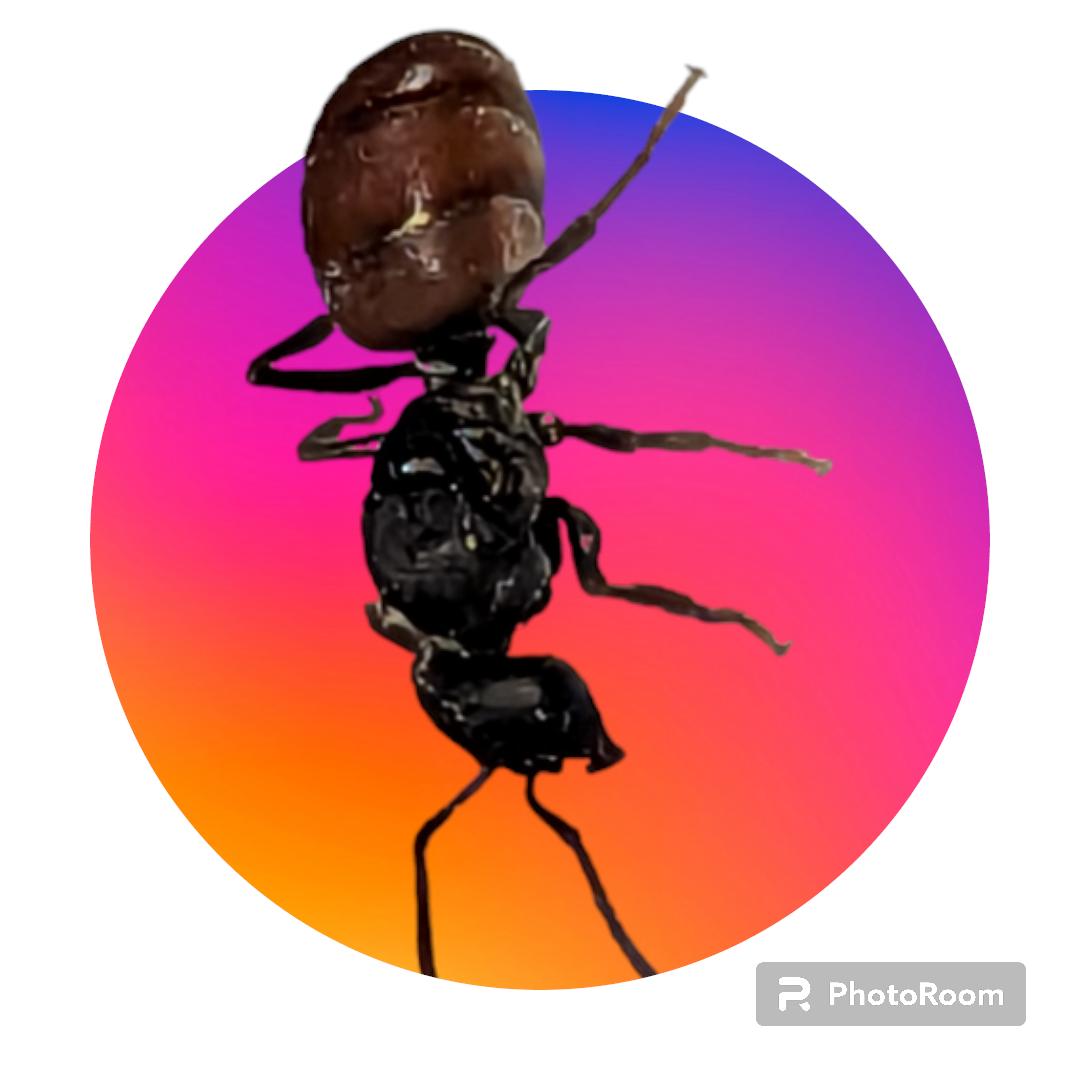
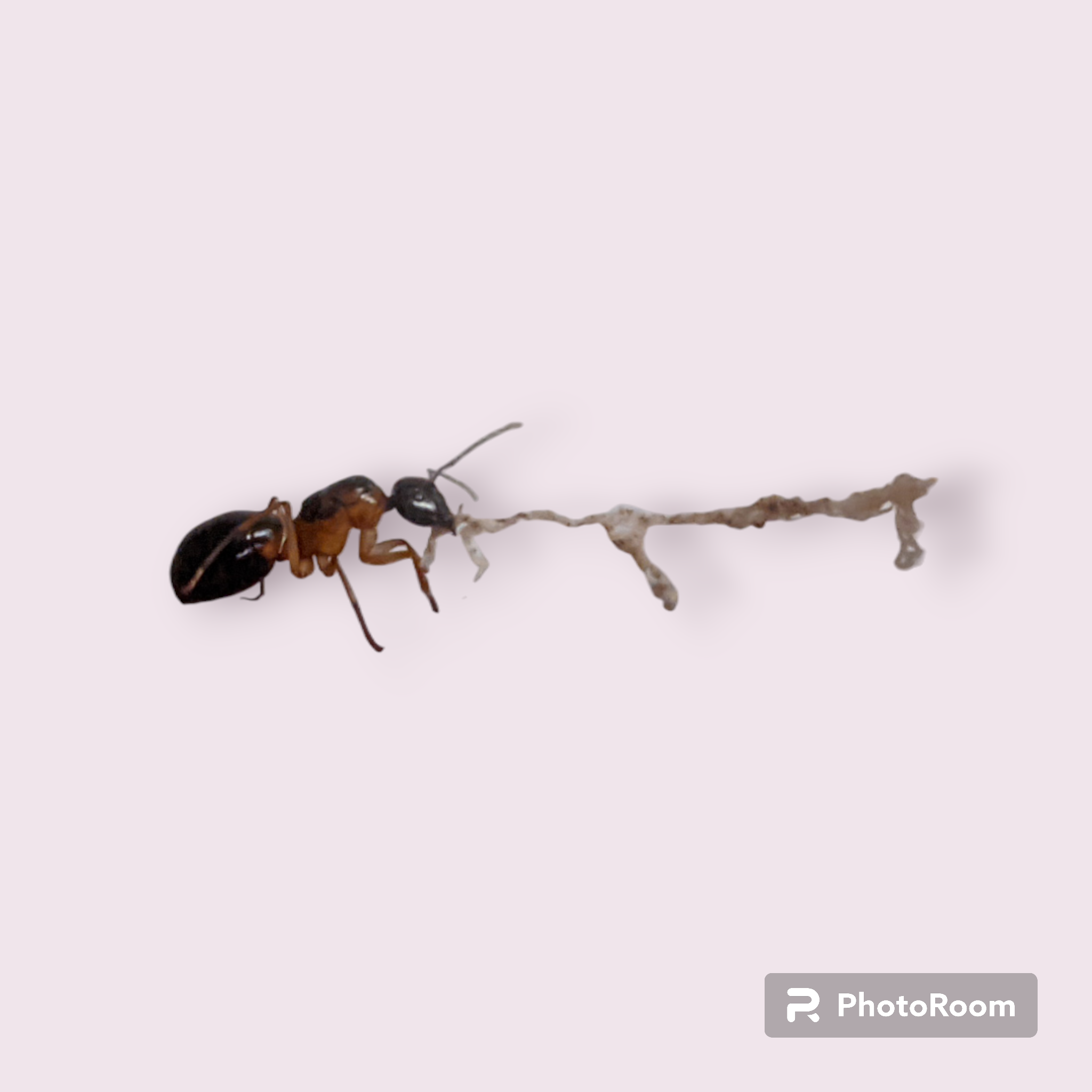
The banded sugar ant (Camponotus consobrinus) is one of the friendliest ants to start with in south-eastern Australia. It’s big enough to watch properly, it’s native, it has a sweet tooth that makes feeding easy, and it grows steadily rather than explosively. This guide follows a colony from a lone founding queen to a busy nest, and I’ll flag where the advice comes from published research and where it’s just widely shared hobby practice.
Banded sugar ant facts at a glance
- Range: found across much of eastern and southern Australia, from the north-east Queensland coast through NSW, the ACT and Victoria to Tasmania, and a common household sugar ant in Adelaide (species summary).
- Size: workers range from about 5 to 15 mm (Australian Museum). Queens are bigger; hobby databases list roughly 15 to 20 mm, though I couldn’t find a published measurement.
- Two worker types: small minor workers and larger soldiers (Fraser et al. 2000).
- Queens per colony: most wild colonies in that study had one queen, but 13 of 42 colonies surveyed had several. In captivity, one queen per colony is the norm. Queens can live seven years or more (species summary).
- Defence: no sting. They bite, and if pushed they spray formic acid, which can irritate skin (species summary).
- Diet: omnivores with a taste for sweet things, including honeydew from aphids and caterpillars (Australian Museum).
- Temperature: keepers usually aim for around 22 to 28 °C. Some species databases, such as Formica Market, give a wider 18 to 28 °C range.
Stage 1: the founding queen (weeks 0 to 8 and beyond)
A newly mated queen seals herself into a chamber and raises her first workers on her own body reserves. Keepers generally treat sugar ant queens as claustral, which means no foraging and no food needed. I haven’t found published research on how C. consobrinus founds colonies, so this comes from hobby experience rather than a paper.
Put her in a test tube setup (full steps in my test tube guide), keep it dark and warm-ish, and leave her alone. AntKeepers points out that too much disturbance can stop a queen laying, make her eat her eggs, or even kill her, and recommends checking only once or twice a week. The same guide says Lasius queens often need 8 to 10 weeks to produce workers and that Camponotus take considerably longer. One keeper on the Formiculture forum who bought a sugar ant queen in winter reported her first cocoon about eight weeks after arrival, so don’t panic if nothing happens fast.
Stage 2: first workers (a tiny team)
The first workers are small and weak because mum had limited reserves. Once they appear:
- Start offering a small drop of sugar water and a tiny piece of protein, such as a fruit fly or a crumb of boiled egg yolk. See what to feed pet ants.
- Keep the tube dark and the water reservoir topped up.
- Remove uneaten food within a day or so to avoid mould.
Stage 3: moving to a nest and outworld
Test tubes are cheap and reliable but get cramped. I’d start planning the move when you have somewhere around 15 to 20 workers, the water reservoir is running down, or the tube looks crowded. Some guides push that to 30 to 50 workers (Furry Critter), so the colony’s behaviour matters more than the number. Choose a small nest rather than a huge one. A small colony in a big nest struggles to keep it warm and damp, and the ants may simply ignore it. My formicarium guide compares your options.
Connect the tube or nest to an outworld (the open foraging area), and prepare the escape barrier before the ants arrive. Banded sugar ants are strong and fast, so use a tight lid and a barrier such as fluon-type paint, PTFE or an oil moat, and check it weekly. The Formicarium article on Wikipedia outlines these methods.
Stage 4: a growing colony
As numbers rise you’ll see larger soldier-type workers appear, more brood, and heavier foraging. Expect to feed more often and to add nest space gradually. Offer protein in modest amounts: a University of Sydney lab study of black garden ants (Lasius niger) found that a diet heavy in protein cut worker lifespan sharply, and that even one day of it shrank colonies (Dussutour and Simpson 2012). Those aren’t sugar ants and it wasn’t a hobby setup, but it’s a good reminder that more protein isn’t always better.
Humidity, light and winter
Banded sugar ants like a damp, dark nest and a drier outworld. My species notes say 70 to 80% humidity, while some databases say 50 to 70%, so I’d give the nest a damp end and a drier end and let the ants choose. Watch for mould on wet plaster, and for brood that stops developing, which usually points to humidity or temperature.
On winter, sources disagree. One database (Formica Market) says there is no need for a winter rest, another (antkeeping.info) claims one is required, and I couldn’t find research either way. In Canberra, wild colonies certainly slow down in the cold. I’d keep the colony at a steady, comfortable room temperature and let it slow naturally rather than try to engineer a winter.
Common problems
- Escapes: check lids and barriers weekly.
- Mould: remove old food promptly and avoid keeping the entire nest soaking wet.
- No eggs: a recently collected queen can take weeks to start, or she may be unmated. Be patient.
- Dehydration: top up the water reservoir before it empties.
Never release surplus ants outdoors. Rehome them with another keeper instead.
Where to get a queen or a colony
You can collect a queen yourself after a flight, or you can start with a queen, a queen with workers, or an established colony from my shop. They ship within Australia only, and some states have extra rules, covered in the legal guide.
Frequently asked questions
How long until a founding queen has her first workers?
Camponotus are slower than common beginner ants such as Lasius. Expect a couple of months at the least, and be patient beyond that.
Do banded sugar ants sting?
No. They can bite and spray formic acid, which may sting the skin or eyes, so avoid handling them roughly.
What temperature do banded sugar ants need?
Around 22 to 28 °C is the usual target. Avoid direct sun, which can overheat a tube quickly.
When should I move the queen out of her test tube?
When the workers are crowded or the water is running low. I’d think about it at roughly 15 to 20 workers, but there’s no strict rule.
Are banded sugar ants a household pest?
They can be, especially near sweet foods. A colony in a sealed formicarium is no problem, but escapes are why a secure lid and barrier matter.
