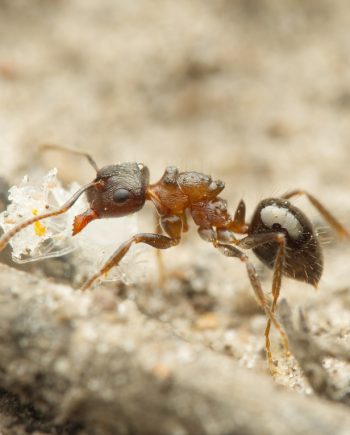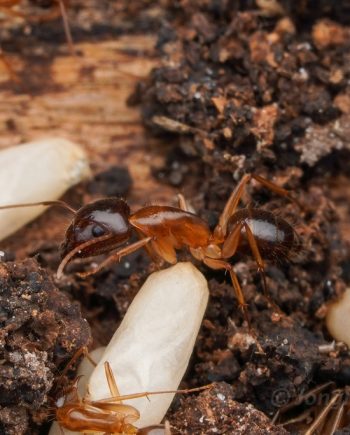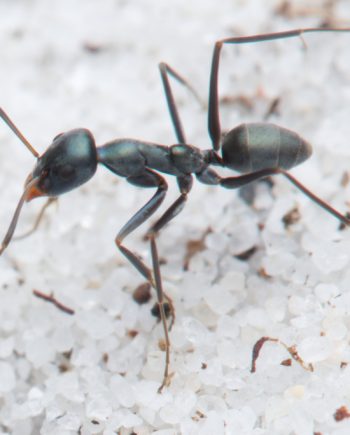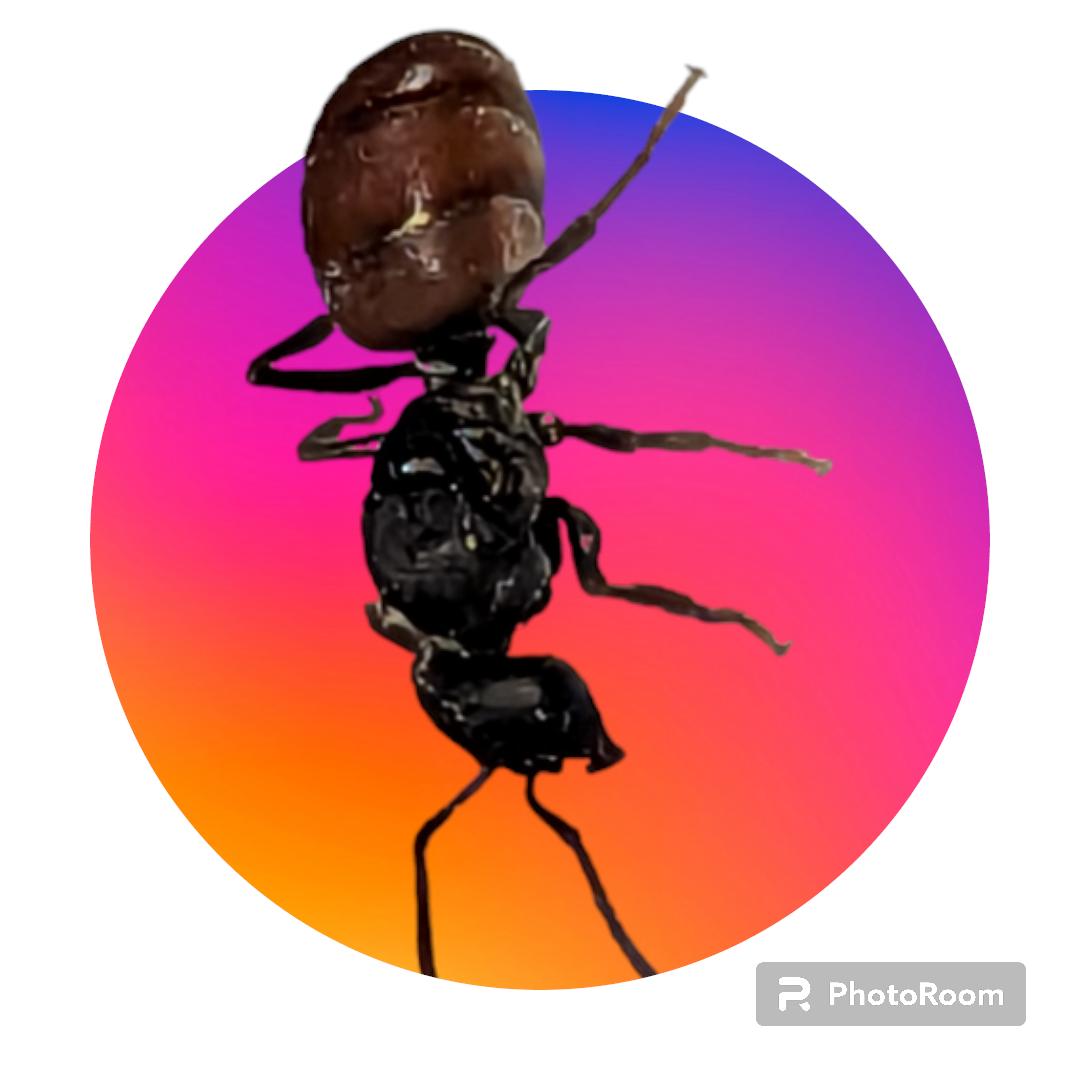


Welcome to Canberra Colony’s guide to keeping ants in Australia. Whether you’ve just watched a trail of ants march across the kitchen and wondered how they do it, or you’re ready to set up your first colony, this page will get you started and point you to the right guides.
Why keep ants?
- They’re fascinating to watch. A colony is a working society, with foragers, nurses, soldiers and a queen, all at it in a space no bigger than a lunchbox.
- They suit small spaces. A starter colony needs a shelf, not a backyard.
- They’re a great way to learn. Ants teach biology, ecology and teamwork better than most textbooks, and they’re a good project for curious kids with an adult helping.
- They’re pets that don’t need walking. They do need regular checks, clean food and water, and a secure lid, so “low maintenance” doesn’t mean “no maintenance”.
Getting started
1. Choose a species
Pick an ant that’s native to where you live. For beginners, I recommend the banded sugar ant (Camponotus consobrinus): it’s big, hardy and easy to feed. Meat ants (Iridomyrmex purpureus) are sometimes suggested for beginners, but I’d steer clear. Their colonies are huge and they bite aggressively, so they’re better watched than kept. See ants of Canberra and the ACT for an honest rundown, and the banded sugar ant care guide for the full picture.
2. Set up a home
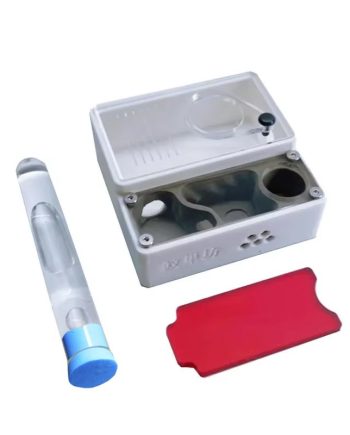
Start a founding queen in a test tube, then move the colony to a nest with an outworld when it outgrows the tube. Follow the test tube setup guide and compare your options in choosing your first formicarium. You can browse nests in the shop.
3. Feed and care for your ants
Ants need sugars for energy, protein for brood and fresh water. Keep portions small and clear out leftovers. What to feed pet ants in Australia covers amounts, safe feeder insects and what to avoid.
4. Enjoy the hobby
Watch, take notes and share what you learn. If you’re hoping to find your own queen, the free Ant Nuptial Flight Predictor app forecasts the best days for nuptial flights near you, and lets you report flights you see. It’s on Google Play and the App Store. Then read how to find a banded sugar ant queen in Canberra.
A note on responsibility
Always research a species before you bring it home. Never release ants outdoors, especially not somewhere they didn’t come from. Some ants are serious pests, such as red imported fire ants, and must never be kept, moved or bred. If you think you’ve found one, report it. The law guide explains the rules, including extra requirements for Western Australia and Tasmania and why you can’t import live ants from overseas.
Resources
- AntKeepers: a Swedish ant-keeping shop with free beginner guides, care sheets and a buyer’s guide. It’s an overseas business, so check that advice fits Australian species and rules.
- AntsCanada on YouTube: a long-running ant-keeping channel based in Canada. Many of the species they feature aren’t Australian, and some are restricted here.
- The Ants by Bert Hölldobler and Edward O. Wilson: the landmark reference on ant biology, published by Harvard University Press in 1990. It’s a big, serious book, but it rewards the effort.
- r/antkeeping: an online community on Reddit where keepers share setups and advice. It’s international, so check local relevance.
- Australian Museum: clear fact sheets on Australian ants, including sugar ants, meat ants and bull ants.
- Canberra Nature Map: local volunteers who will help identify your photos.
- AntWiki: an online encyclopedia of ant species.
Important information
This page is general information for readers in Australia, and it isn’t legal advice. Rules about keeping and moving ants vary between states and territories, so please check the requirements where you live. Canberra Colony only ships within Australia and cannot ship internationally.